The Most Scenic Train Journeys in Sri Lanka You Can't Miss
Sri Lanka's railway network, built by the British in the 1860s to transport tea from the hill country to Colombo's port, has become one of the island's most beloved travel experiences. The rattling blue carriages, open windows framing ever-changing landscapes, and the gentle rhythm of steel on track create a journey that feels like travelling through a living painting.
Kandy to Ella: The Legendary Route
This is the one that appears on every travel bucket list, and for good reason. The seven-hour journey from Kandy to Ella climbs through tunnels, crosses soaring viaducts, and winds past waterfalls draped in mist. Tea pickers wave from emerald hillsides, children run alongside the tracks, and the scent of fresh tea drifts through open windows. The most photogenic stretch runs between Nuwara Eliya and Ella, where the train crosses the famous Nine Arch Bridge — an engineering marvel set against a backdrop of jungle and sky.
Colombo to Kandy: The Gateway Journey
Often overlooked in favour of the highland route, the three-hour journey from Colombo to Kandy is a beautiful introduction to Sri Lanka's interior. The train leaves the coastal plains and climbs steadily into the hills, passing through rubber plantations, small villages, and the dramatic Kadugannawa Pass. Arriving into Kandy's station, nestled beside the lake and the Temple of the Tooth, is one of the most atmospheric arrivals in Asian rail travel.
Colombo to Galle: The Coastal Line
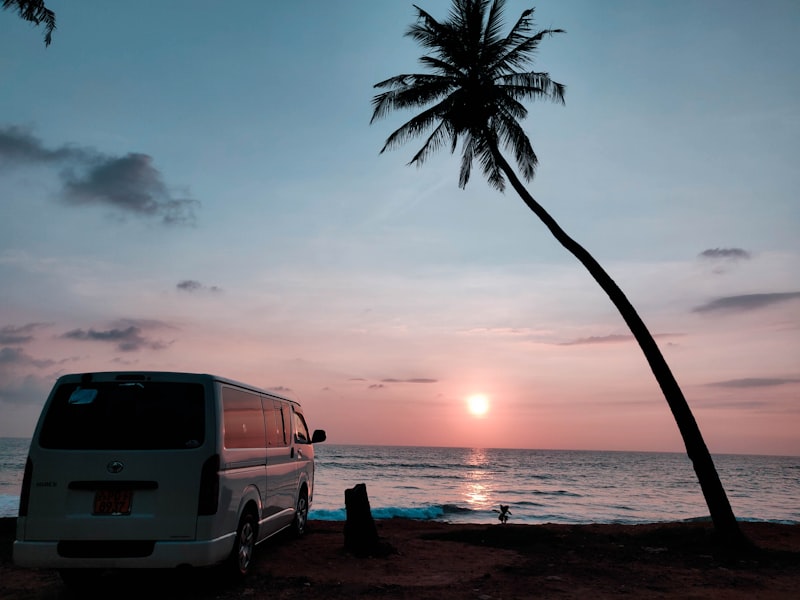
For a completely different perspective, the coastal railway from Colombo to Galle hugs the Indian Ocean shoreline for much of its route. Palm trees lean over the tracks, fishermen cast their lines from rocky outcrops just metres away, and the turquoise sea stretches to the horizon. This is the train journey for sunset chasers — time your return from Galle to catch golden hour from your carriage window.
Tips for the Best Experience
Book second class for the best balance of comfort and atmosphere — reserved seats with opening windows. Sit on the right side heading from Kandy to Ella for the best views. Bring snacks and water, though vendors board at stations selling everything from spicy samosas to fresh fruit. And most importantly, put the camera down occasionally and simply let the landscape wash over you. Some moments are best absorbed, not captured.